Destination

Tarangire National Park

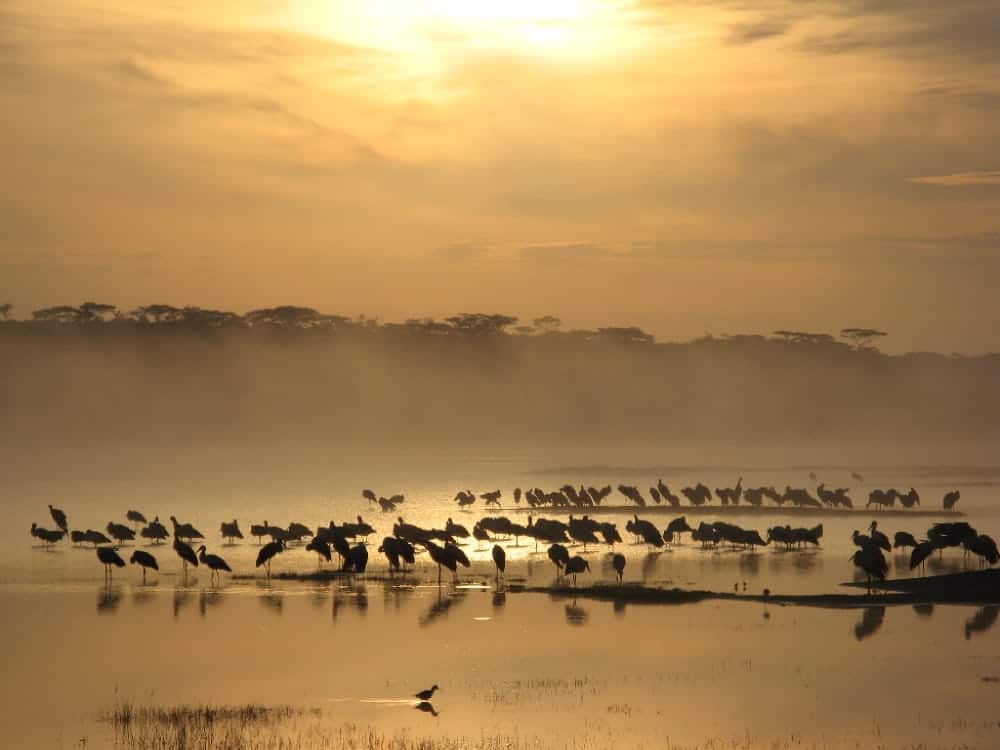
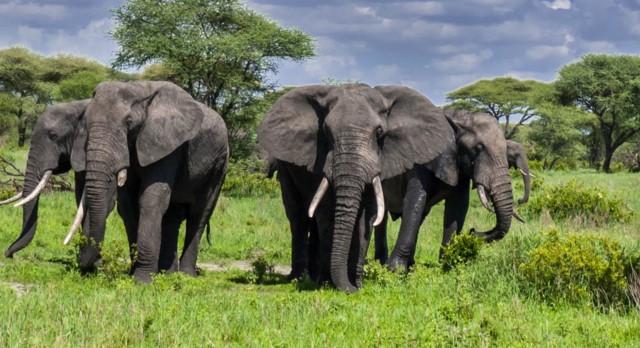
Tarangire National Park is known for its majestic Baobab trees. These can grow to an enormous size and have a unique shape. The Park is also famous as it has the largest concentration of elephants in the world! You can see herds of up to 300 elephants around the Tarangire River Tarangire National Park Tarangire National Park, located in northern Tanzania, is one of the country’s most captivating safari destinations. Covering approximately 2,850 km², the park is renowned for its large elephant herds, ancient baobab trees, and diverse wildlife. The Tarangire River, which flows through the park, provides a vital water source, especially during the dry season when animals congregate in remarkable numbers. Wildlife and Birdlife Tarangire is often referred to as the “Kingdom of Elephants,” with large herds frequently seen near the river and across the savannah. In addition to elephants, visitors can spot lions, leopards, cheetahs, giraffes, zebras, wildebeests, buffaloes, and a variety of antelope species. Birdwatchers will be delighted by over 500 recorded species, including hornbills, yellow-collared lovebirds, and the striking kori bustard. Unique Landscape The park’s dramatic landscapes are dominated by centuries-old baobab trees, sprawling grasslands, and seasonal wetlands. During the dry season, these features create ideal conditions for spotting predators and observing natural interactions between species. Best Time to Visit The dry season, from June to October, is considered the best time for game viewing, as animals gather around water sources. The wet season, from November to May, brings lush green scenery and excellent birdwatching opportunities, though some areas may become less accessible. Tarangire National Park offers a quieter, more intimate safari experience, making it an unmissable destination for wildlife enthusiasts and nature lovers visiting northern Tanzania.

Tarangire National Park Read More »
Ngorongoro Conservation Area

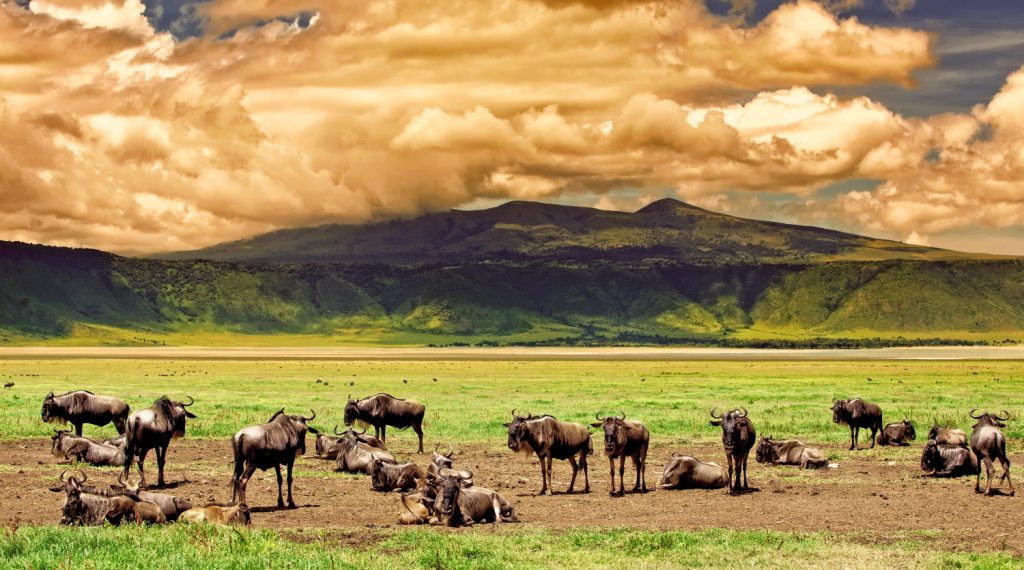
The Ngorongoro Conservation Area runs from Serengeti National Park in the north to the Great Rift Valley in the east. The conservation area is more than 8,000 km2 in size (3,200 sq. miles). It is made up of the Ngorongoro Crater, Ndutu, Olduvai Gorge, Empakaai, Olmoti Crater, and Oldonyo Lengai Mountain Ngorongoro Conservation Area – A UNESCO World Heritage Site The Ngorongoro Conservation Area (NCA) is one of Tanzania’s most remarkable protected regions, covering over 8,000 km² (3,200 sq. miles) in northern Tanzania. Stretching from the Serengeti National Park in the north to the Great Rift Valley in the east, the area is a unique mix of forests, valleys, savannahs, lakes, craters, and volcanic mountains. Ngorongoro Crater The crown jewel of the conservation area is the Ngorongoro Crater, the world’s largest intact volcanic caldera. Formed two to three million years ago when a massive volcano collapsed, the crater spans 20 km (12.5 miles) across and is 600 metres (2,000 feet) deep. Its fertile floor supports an extraordinary density of wildlife, including zebras, buffaloes, elephants, hippos, flamingos, and all members of the Big Five – lions, leopards, elephants, buffaloes, and rhinoceroses. Predators such as cheetahs, hyenas, and jackals are also abundant, making the crater one of Africa’s most sought-after safari destinations. Diverse Habitats and Cultural Heritage Beyond the crater, the NCA includes Lake Ndutu, Olduvai Gorge, Empakaai Crater, Olmoti Crater, and Oldonyo Lengai, offering diverse landscapes and habitats for numerous species. The area is also home to the Maasai people, who are permitted to graze their livestock within the conservation area, allowing for a harmonious coexistence of wildlife and traditional pastoralist culture. Recognised as a UNESCO World Heritage Site, the Ngorongoro Conservation Area is celebrated for its unique geological features, biodiversity, and cultural heritage, making it a must-visit destination for any Tanzanian safari.

Ngorongoro Conservation Area Read More »

Lake Ndutu and the Ngorongoro Conservation Area

Large herds of animals gather around Lake Ndutu, which is the best place to see wildlife. It is a shallow alkaline lake on the eastern edge of Serengeti national park. In 1973, a 140-square-meter archaeological dig site was set up on the shores of Lake Ndutu. Lake Ndutu and the Ngorongoro Conservation Area Lake Ndutu, on the eastern edge of Serengeti National Park, is one of the best places to witness wildlife in Tanzania. This shallow alkaline lake attracts large herds of animals, particularly during the migration season, and offers superb game viewing throughout the year. The surrounding forests and granite kopjes provide shelter for resident wildlife when the herds move on. Lake Ndutu also holds archaeological significance. In 1973, a 140-square-metre excavation site was established along its shores, where the famous Ndutu cranium and stone tools dating back more than 500,000 years were uncovered. Nearby lies Lake Masek, within the Ngorongoro Conservation Area, which shares the same geological basin. Ngorongoro Conservation Area Stretching from Serengeti National Park in the north to the Great Rift Valley in the east, the Ngorongoro Conservation Area covers over 8,000 km² (3,200 sq. miles). This diverse landscape includes the Ngorongoro Crater, Ndutu, Olduvai Gorge, Empakaai Crater, Olmoti Crater, and the sacred volcano of Oldonyo Lengai. Its mix of forests, valleys, lakes, savannah, and swamps supports an extraordinary variety of wildlife. The Wonder of Ngorongoro Crater The Ngorongoro Crater, formed two to three million years ago when a massive volcano collapsed, is the region’s most famous attraction. Measuring 20 km (12.5 miles) across and 600 metres (2,000 feet) deep, it is the largest intact caldera in the world. Its unique ecosystem sustains an incredible density of wildlife, from zebras, buffaloes, elephants, and flamingos to predators such as lions, hyenas, cheetahs, and leopards. All of the Big Five can be seen here, making it one of the best places in Africa for game viewing. Recognised as one of Africa’s Seven Natural Wonders, the crater also offers breathtaking views from its rim, with the colours of the landscape changing throughout the day. The Maasai Tribe The Ngorongoro Conservation Area is also home to the Maasai, who are permitted to graze their cattle within its borders. Visitors may have the opportunity to learn about their culture and traditions through an organised Maasai village tour, offering an authentic insight into their way of life. Whether for its rich wildlife, dramatic scenery, or cultural encounters, Ngorongoro is an unmissable highlight of any Tanzanian safari.

Lake Ndutu and the Ngorongoro Conservation Area Read More »

Mount Kilimanjaro

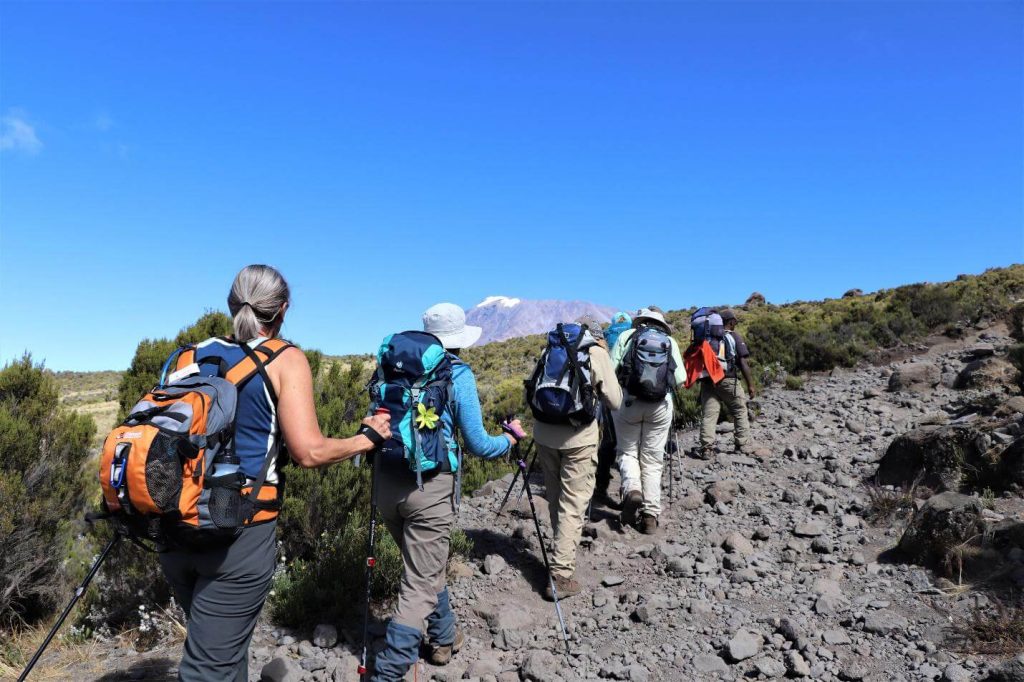
Mount Kilimanjaro is the highest mountain in Africa and the tallest free-standing mountain in the world. Thousands of climbers and adventurers from all over the world visit it every year. Climbing Mount Kilimanjaro is like walking from the tropics to the arctic in just one week Mount Kilimanjaro Kilimanjaro: Africa’s Majestic Roof Rising dramatically from the East African savannah, Mount Kilimanjaro stands as a testament to the Earth’s grandeur. This iconic volcanic mountain is not only Africa’s highest peak but also one of the world’s most renowned natural wonders. In this exploration of Kilimanjaro, we’ll delve into its awe-inspiring beauty, the challenges and rewards of summiting it, and the magic that has drawn adventurers for centuries. The Majesty of Kilimanjaro: The Roof of Africa: At a towering 5,895 meters (19,341 feet) above sea level, Kilimanjaro proudly holds the title of the highest free-standing mountain in the world. Its snow-capped peak, Uhuru Peak, is an eternal beacon for climbers. Diverse Ecosystems: Kilimanjaro is not just a mountain; it’s a microcosm of ecosystems. As climbers ascend, they traverse through lush rainforests, alpine meadows, moorlands, and arctic deserts. This diversity in flora and fauna has earned Kilimanjaro UNESCO World Heritage status. The Glaciers: Despite global warming’s toll on glaciers worldwide, Kilimanjaro’s glaciers still cling to life. The majestic ice formations, while receding, continue to inspire awe among visitors. Challenges and Triumphs: Climbing Routes: There are several routes to reach Kilimanjaro’s summit, each offering unique challenges and experiences. The most popular routes include the Machame, Marangu, and Lemosho routes. Climbers should choose the one that best suits their fitness level and preferences. Altitude: A Test of Endurance: The altitude poses a formidable challenge. Climbers must acclimatize gradually to prevent altitude sickness. Adequate preparation, hydration, and a well-structured climb itinerary are crucial for success. The Joy of Summiting: Standing on Uhuru Peak, the rooftop of Africa, is an unparalleled achievement. The breathtaking sunrise views over the African continent are a reward beyond measure. Kilimanjaro’s Enduring Allure: Adventure and Serenity: Kilimanjaro offers an incredible blend of adventure and serenity. The journey to the summit is a test of physical and mental strength, but it’s also a profound and often spiritual experience. Cultural Richness: Surrounding Kilimanjaro are vibrant cultures, including the Chagga and Maasai people. Exploring the local villages and learning about their traditions adds depth to the Kilimanjaro experience. Conservation: Efforts to protect Kilimanjaro’s delicate ecosystems are ongoing. Visitors are encouraged to adhere to Leave No Trace principles to minimize their environmental impact. In conclusion, Kilimanjaro isn’t merely a mountain; it’s a living testament to the Earth’s enduring beauty and power. Climbing it is an adventure of a lifetime, a journey that challenges your limits and rewards your spirit. Whether you reach the summit or simply stand in its shadow, Kilimanjaro leaves an indelible mark, reminding us of the majesty of our planet’s natural wonders.

Mount Kilimanjaro Read More »

Lake Natron

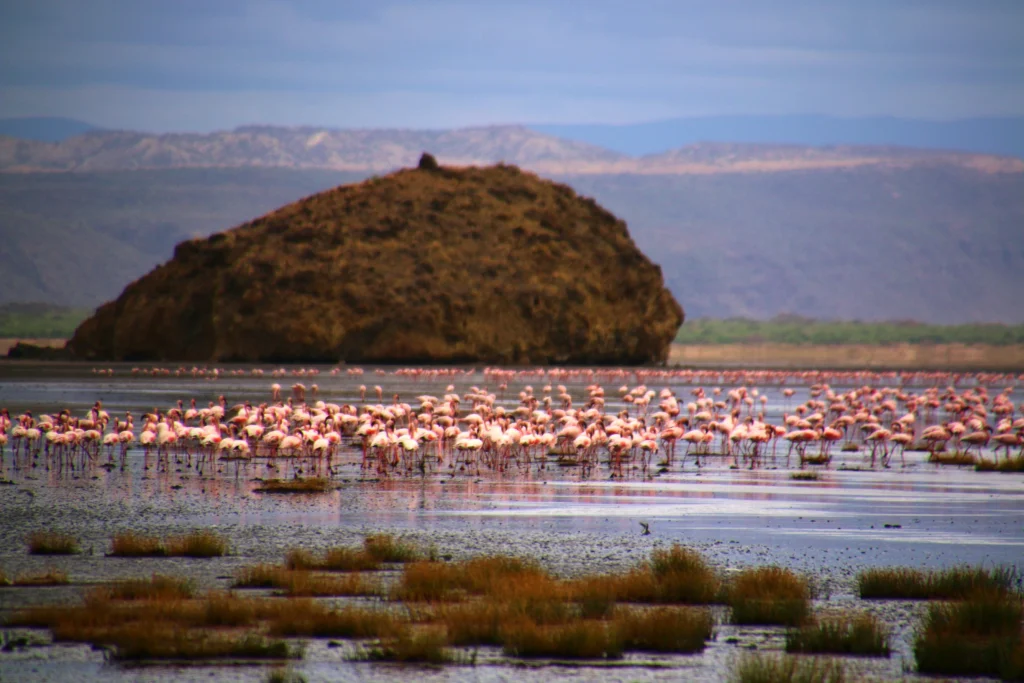
Lake Natron is a salt or soda lake in northern Tanzania. It is close to Lake Manyara. It is in the Gregory Rift, which is part of the East African Rift’s eastern branch. The lake is at the base of the active volcano Ol Doinyo Lengai. Lake Natron Lake Natron is a shallow, highly alkaline lake in northern Tanzania, measuring approximately 57 kilometres in length and 22 kilometres in width. Its depth rarely exceeds three metres, and its size fluctuates depending on seasonal rainfall, which mainly occurs between December and May. Temperatures around the lake are extreme, often exceeding 40°C, and can reach up to 60°C in the hottest months. As freshwater evaporates, the lake becomes rich in salt minerals such as sodium and trona, creating a highly alkaline environment with pH levels sometimes above 12. This harsh environment supports specialised microorganisms, including cyanobacteria and blue-green algae, which thrive in the saline water. The pigments from these microorganisms give the lake’s water a deep red hue, while the shallow areas appear orange. Salt-loving microorganisms on the lake’s surface create the distinctive red or pink alkali crust. Flamingo Breeding Grounds Lake Natron is one of the most important breeding sites for flamingos in Africa. The extreme conditions make the lake inhospitable to most predators, providing a safe environment for nesting on seasonal evaporation islands. Each year, over two million flamingos flock to the lake to lay their eggs, with chicks hatching between September and April. The abundance of cyanobacteria in the saline water provides a rich food source for the young birds. Other Wildlife Although few large animals inhabit the lake, tilapia and other small fish survive in the less saline waters near the shore. The area also supports specialised insects and birds found nowhere else, making Lake Natron a prime destination for birdwatching. Nearby Attractions Lake Natron is conveniently located near other northern Tanzanian parks, including Lake Manyara, the Ngorongoro Conservation Area, and the northern Serengeti, making it a natural addition to any northern safari itinerary. Lake Natron is a shallow, highly alkaline lake in northern Tanzania, measuring approximately 57 kilometres in length and 22 kilometres in width. Its depth rarely exceeds three metres, and its size fluctuates depending on seasonal rainfall, which mainly occurs between December and May. Temperatures around the lake are extreme, often exceeding 40°C, and can reach up to 60°C in the hottest months. As freshwater evaporates, the lake becomes rich in salt minerals such as sodium and trona, creating a highly alkaline environment with pH levels sometimes above 12. This harsh environment supports specialised microorganisms, including cyanobacteria and blue-green algae, which thrive in the saline water. The pigments from these microorganisms give the lake’s water a deep red hue, while the shallow areas appear orange. Salt-loving microorganisms on the lake’s surface create the distinctive red or pink alkali crust. Flamingo Breeding Grounds Lake Natron is one of the most important breeding sites for flamingos in Africa. The extreme conditions make the lake inhospitable to most predators, providing a safe environment for nesting on seasonal evaporation islands. Each year, over two million flamingos flock to the lake to lay their eggs, with chicks hatching between September and April. The abundance of cyanobacteria in the saline water provides a rich food source for the young birds. Other Wildlife Although few large animals inhabit the lake, tilapia and other small fish survive in the less saline waters near the shore. The area also supports specialised insects and birds found nowhere else, making Lake Natron a prime destination for birdwatching. Nearby Attractions Lake Natron is conveniently located near other northern Tanzanian parks, including Lake Manyara, the Ngorongoro Conservation Area, and the northern Serengeti, making it a natural addition to any northern safari itinerary.

Lake Natron Read More »

Lake Eyasi – A Tranquil Rift Valley Retreat

Lake Eyasi

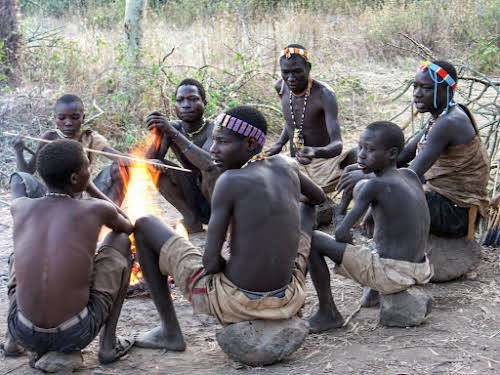
Lake Eyasi is a shallow endorheic salt lake in the Great Rift Valley that only gets salty when it rains. It is south of the Ngorongoro highlands in northern Tanzania. Lake Eyasi – A Tranquil Rift Valley Retreat Lake Eyasi is a shallow, endorheic salt lake located in the Great Rift Valley of northern Tanzania. Unlike the nearby national parks, the lake only becomes noticeably salty after rainfall. Situated south of the Ngorongoro Highlands, Lake Eyasi offers visitors a peaceful escape from the busy safari circuits, allowing time to enjoy its serene surroundings and unique landscapes. The lake sits at a higher elevation than the surrounding plains and is fringed by tall palm trees, providing a striking contrast to the typical savannah and dry grasslands of northern Tanzania. Wildlife Around Lake Eyasi While Lake Eyasi does not host the “Big Five” or large concentrations of big-game animals, it is a haven for birdwatchers. From June to November, many waterbirds nest in the shallow waters, including flamingos, great white pelicans, Africa spoonbills, Fischer’s lovebirds, grey-headed gulls, pied avocets, storks, barbets, weavers, and spurfowl. Hippos also frequent the lake, emerging from the heat to cool off in its waters when the lake is full. Other wildlife gathers around local springs, creating small but vibrant pockets of activity. The Hadzabe Bushmen The area around Lake Eyasi is home to the Hadzabe, one of Africa’s last hunter-gatherer communities. They continue to live much as their ancestors did, relying entirely on the land for food and sustenance through bow hunting and foraging. Visiting the Hadzabe offers a rare and fascinating insight into a way of life that has remained largely unchanged for hundreds of years, providing an extraordinary cultural experience alongside the lake’s natural beauty. Lake Eyasi is therefore a perfect destination for those seeking tranquillity, birdlife, and a glimpse into ancient traditions.

Lake Eyasi Read More »

Lake Manyara National Park

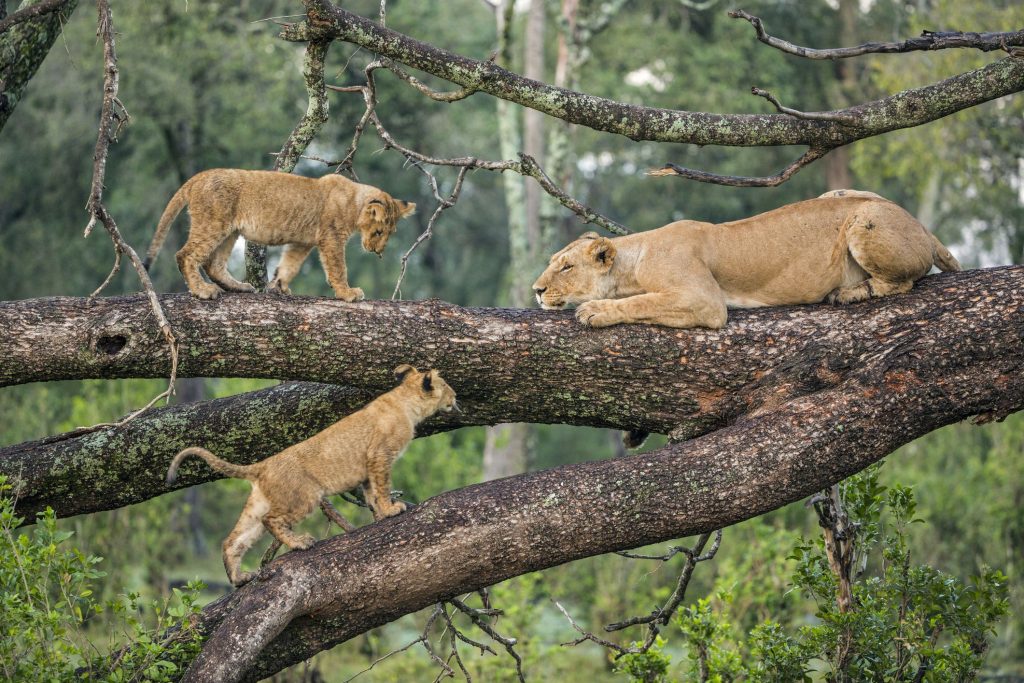
Lake Manyara National Park is full of beautiful plants and animals. As soon as you enter Lake Manyara, tropical birds and monkeys playing in the beautiful jungle greet you Lake Manyara National Park Exploring Lake Manyara National Park: A Guide to its Wonders and Best Time to Visit Nestled in northern Tanzania between the dramatic Rift Valley Escarpment and the sparkling waters of Lake Manyara, Lake Manyara National Park is a compact yet captivating safari destination. Despite its smaller size compared to Tanzania’s larger parks, it offers a remarkable mix of wildlife, scenic landscapes, and unique natural features, making it an essential stop on any northern safari circuit. What to See in Lake Manyara National Park Diverse Wildlife: Lake Manyara is famous for its tree-climbing lions, a rare behaviour not often seen elsewhere. Visitors can also encounter elephants, giraffes, hippos, zebras, buffalo, and numerous antelope species, all thriving within the park’s varied habitats. Birdwatcher’s Paradise: The park is home to over 400 bird species, making it a haven for bird enthusiasts. Flamingos, pelicans, storks, kingfishers, and many more grace the lake and surrounding forests, especially during the wet season when migratory species arrive. Scenic Landscapes: From lush groundwater forests to open grassy plains, Lake Manyara boasts a remarkable variety of scenery. The backdrop of the Rift Valley Escarpment adds dramatic beauty, while the lake’s shimmering shores enhance the park’s charm. Hot Springs and Waterfalls: The geothermal hot springs at Maji Moto provide a fascinating glimpse of the area’s volcanic activity, while nearby waterfalls add a touch of adventure to your safari experience. Best Time to Visit Dry Season (June to October): Clear skies and excellent wildlife viewing make this the most popular period. Animals congregate around remaining water sources, making sightings easier. Wet Season (November to May): The park is lush and vibrant, ideal for birdwatchers, though some areas may be temporarily inaccessible due to flooding. For optimal wildlife viewing and pleasant weather, the dry season is recommended, while the wet season offers a quieter, greener safari experience.

Lake Manyara National Park Read More »

Serengeti National Park

Serengeti National Park is Africa’s most famous wildlife reserve, celebrated for its remarkable abundance of animals and the awe-inspiring migration of millions of wildebeest across its vast plains. Many of the world’s most iconic nature documentaries have been filmed here, capturing its raw beauty and untamed spirit. The name Serengeti comes from the Maasai word Siringit, meaning “endless plains,” a fitting description for this breathtaking landscape that seems to stretch forever. Serengeti National Park – The Land of Endless Plains The name Serengeti comes from the Maasai word Siringit, meaning “endless plains” – a fitting description for this vast expanse of wilderness. Serengeti National Park is Tanzania’s second-largest national park, covering nearly 15,000 km² (6,000 sq mi). It is the very heart of East Africa’s safari experience and extends northwards into Kenya’s Maasai Mara, forming one of the most iconic ecosystems on Earth. What to See in Serengeti National Park The Great Migration: The Serengeti is best known for hosting the Great Migration, one of nature’s greatest spectacles. Each year, millions of wildebeests, zebras, and gazelles move in search of greener pastures, braving crocodile-infested rivers in dramatic crossings. Witnessing this phenomenon is a once-in-a-lifetime experience. The Big Five and Beyond: Serengeti is home to an incredible diversity of wildlife, including lions, leopards, elephants, buffalo, and rhinos. Visitors can also spot cheetahs, hyenas, giraffes, hippos, and a wide variety of antelope species, making it a dream destination for safari lovers. Birdwatcher’s Paradise: With over 500 bird species, the park is equally rewarding for bird enthusiasts. From raptors like eagles and vultures to colourful species such as lilac-breasted rollers and ostriches, the skies and savannah are alive with birdlife. Balloon Safaris: A sunrise hot-air balloon safari offers a magical view of the Serengeti’s landscapes and wildlife from above, creating memories that last a lifetime. The Best Time to Visit Serengeti December to March: Calving season in the southern Serengeti, when wildebeest herds give birth. April to July: Migration moves north, crossing the Grumeti River. June to October (Dry Season): Best for general wildlife viewing, with predators especially active. November to May (Wet Season): Lush green scenery and excellent birdwatching, though rains can make some areas harder to access. Whether you come for the Great Migration, big cats, or birdlife, Serengeti National Park offers a timeless safari adventure that captures the spirit of Africa.

Serengeti National Park Read More »

Translate »